
Beyond Seamless Bookings: Why Travel Brands Cannot Overlook "Positive Friction" in Spring 2026
Jack Rhys-Brown | 21 April 2026 | 5 min
Let’s be real for a second: the whole world isn’t in the best of shape at the moment, and everything is certainly feeling a little ‘tense’ to say the least. Between fluctuating fuel prices, the lingering shadow of flight cancellations, and the general cost-of-living squeeze, clicking "confirm booking" can feel less like a treat and more like a high-stakes gamble.
In recent conversations with our partners, the conversation has fundamentally shifted. We aren't simply asking "what's the checkout conversion rate?" anymore. We’re asking: "How do we make customers feel confident enough to even reach the confirmation button?"
In a climate of uncertainty, your booking journey shouldn't just be functional; it needs to be an emotional safety net.
The Psychology of "Safe” (and why it beats seamless)
In personal finances or volatile global events, a slower interaction can be a very good thing. Positive friction demonstrates that you actually care and gives your customers a chance to solidify their decision, reducing dropouts at the point they should be hitting ‘book now’. It offers a chance to add clarity, back up key messaging and reinforce the decision. You can lean on some core behavioural principles throughout your booking journey to build confidence and settle those pre-purchase jitters:
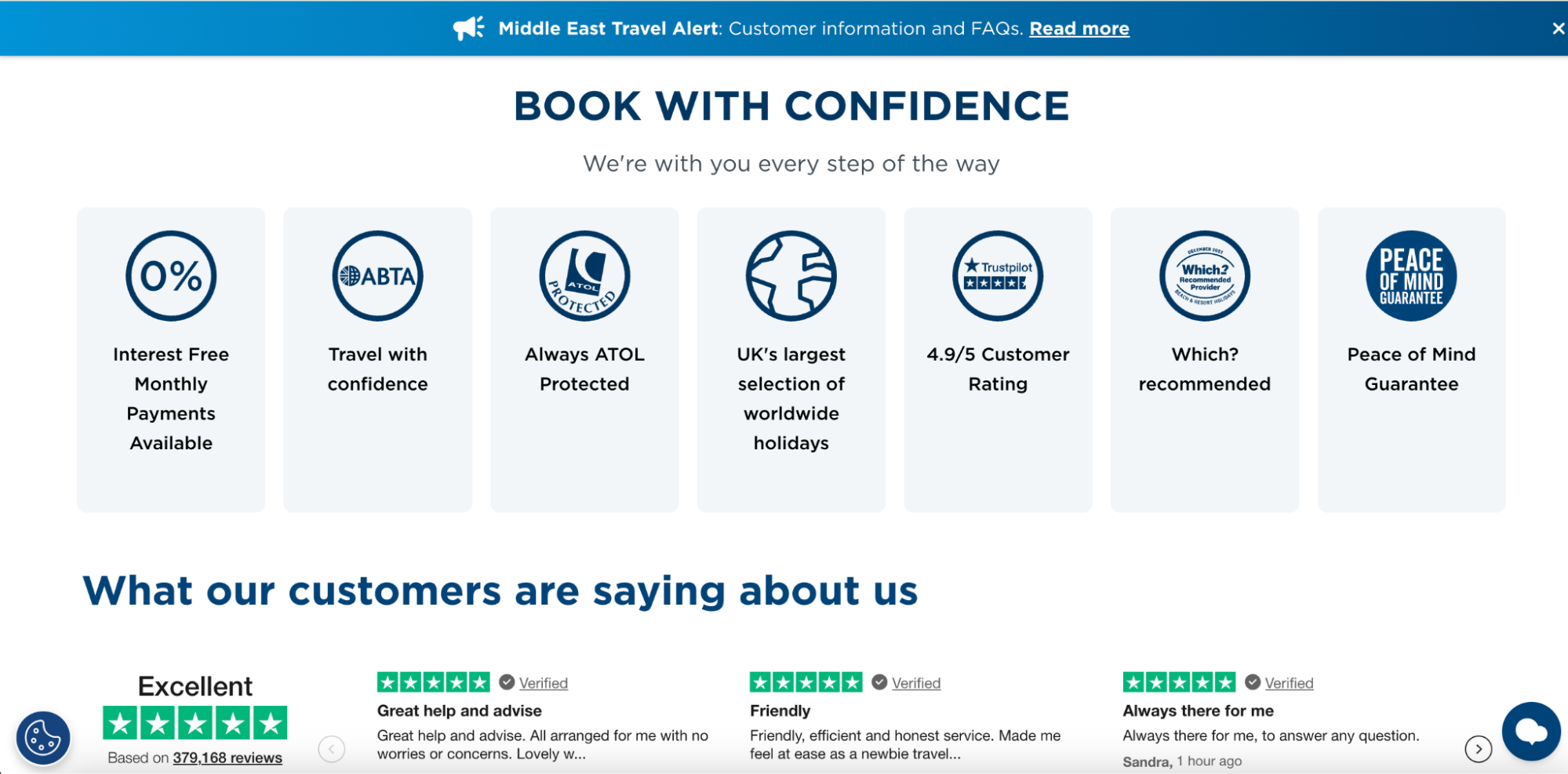
The Mere Exposure Effect: Familiarity breeds comfort. By consistently showing recognised trust signals (like ATOL protected logos or partner brands) throughout the journey - not just buried in the footer… You normalise the feeling of security. If they see it three times before they hit the payment page, the "risk" is already subconsciously de-prioritised. Hays Travel is doing this right from discovery on the blog pages to demonstrate several trust signals.
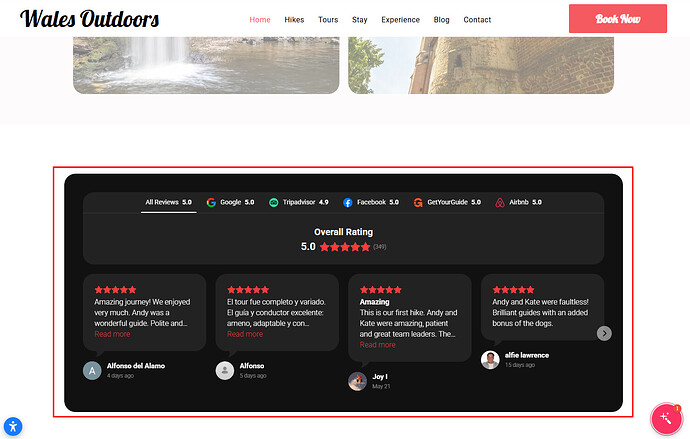
Social Proofing: We’re hardwired to look at what others are doing when we’re stressed. We naturally look for validation from people that we relate to, who have already "been there and done it." Integrating live TripAdvisor feeds or "Verified Guest" Google reviews isn't just a marketing gimmick; it’s a psychological "all-clear." When a customer is hovering over that 'Book Now' button, their brain is doing a rapid risk assessment: is this flight actually going to take off?! What if the hotel doesn't look like the photos?! What if I can't get my money back?! By placing real, unfiltered feedback from customers who have actually been there and done that… you’re providing the external validation they need to silence that inner critic. It shifts the narrative from an anxious 'I hope this is okay' to a cognitively-reinforced 'This is a proven, safe investment.' By providing high-volume social evidence, you’re essentially overriding the brain's natural loss aversion.
Meet Uncertainty with Clarity: The Post-Booking Safety Net
The job doesn't end once the payment is processed. In fact, for an anxious traveller, the time between "booking" and "departing" is when the "what ifs" really start to simmer. To keep that trust intact, you need to proactively manage the post-purchase experience by addressing two key behavioural hurdles:
Combating Cognitive Overload: When people are stressed, their ability to process complex information plummets. Their threshold for "too much noise" is significantly lower. This is not the time for dense PDFs or vague confirmation emails. You need to provide high-level, scannable summaries of exactly what happens next.
Solving Ambiguity Aversion: Unknown and ambiguous travel risks feel more significant than they actually are. Your guests would prefer to have clarity about a possible negative outcome, rather than it be left to assumption and ambiguity. People hate not knowing. Brands can solve this by setting crystal-clear expectations: "If your flight is delayed, you will receive an SMS within 5 minutes…" or "Here is the exact 3-step process for a refund…"
What this looks like digitally:
The "One-Source-of-Truth" Hub: Instead of scattering information across five different emails, give them a single, dynamic "Manage My Booking" dashboard. Showing people exactly how they can pivot their plans without having to call a help centre gives them a sense of agency that eases their nerves.
Proactive Information Design: Don't wait for them to ask. Use "If/Then" communication. "If X happens, we do Y." By defining the parameters of your support before they’re needed, you remove the ambiguity that fuels stress.
Small Tweaks, Big Impact:
We’re in a fast-moving market, in especially difficult times; you don’t have time for a six-month UX project when the world is changing weekly. Here are some examples of "low-lift, high-reward" changes we’re recommending right now:
Loud, Proud and Frequent Protection: Stop treating ATOL or money-back guarantees like legal fine print. Move them up by surfacing these guarantees at every stage of the journey, from search results to checkout, you provide constant validation. If a customer knows their money is 100% safe if a flight is grounded, the financial "risk" of booking evaporates instantly. For example;
At search: "ATOL Protected: Fly with Peace of Mind."
On product page: "100% Money-Back Guarantee for cancellations"
At Checkout: "Your investment is fully shielded by our ‘Fly-Safe’ promise."
The "Social Norm" Nudge: Leverage ‘the power of the many’, use a descriptive norm to signal popularity and confidence in choices. A prompt like "85% of travellers on this route add protection" transforms insurance from a grudge purchase into a communal best practice. It’s not just an add-on; it’s what "people like me" do to save worry and travel smartly.
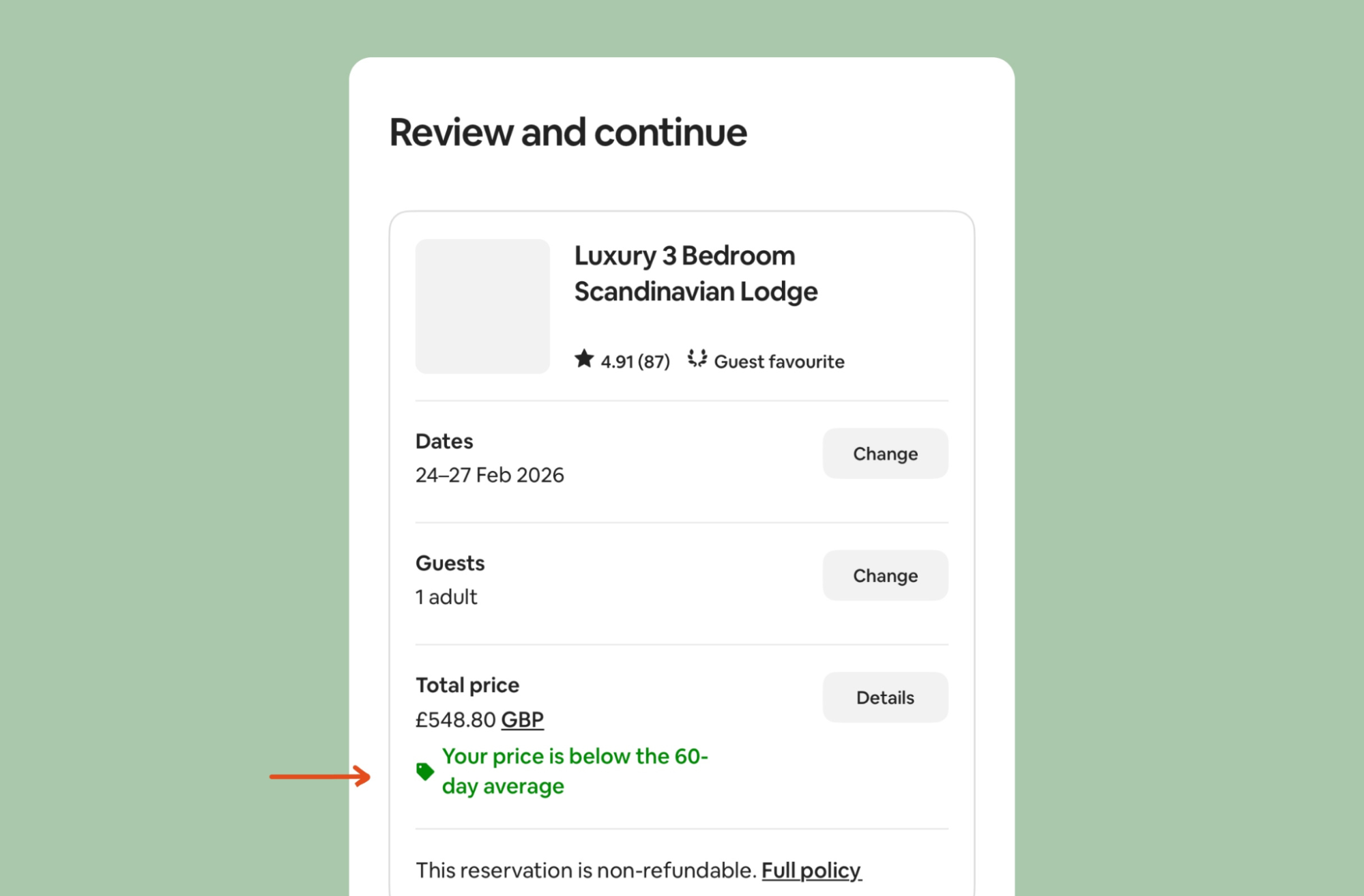
Contextual Pricing (The "Value" Anchor): In a cost-of-living crisis, the fear isn't just about the price itself - it's the fear of overpaying. Airbnb does this brilliantly by adding a small line of context: "Your price is below the 60-day average." This is a masterclass in Positive Friction. It slows the booker down for a split second to provide a data-backed reassurance. It silences the "should I wait for a better deal?" inner critic and replaces it with the confidence that they are making a sound financial decision right now.
![]()
Transparent Pricing: Following on from the above, "hidden fees" aren't just annoying; they’re a breach of trust. Show the total cost early. Surprising someone at the final step is the fastest way to lose a customer who is already on edge. If you can’t lower the price, at least lower the uncertainty.
The Bottom Line: Your customers are thinking of all the reasons not to spend money right now. The least risky option is to drop off and close the tab. Don’t let assumptions in your booking journey be the reason they do. Show up for them, be transparent, and close the uncertainty gap.
Key Takeaways
In uncertain times, travel customers don’t just need seamless journeys - they need reassurance that supports confident decision-making both during and after their journey.
“Positive friction” can be powerful, helping customers slow down, process information, and feel more secure before committing.
Trust signals and social proof shouldn’t be hidden - they should be visible, consistent, and reinforced throughout the journey.
The post-booking experience is just as important as checkout, with clarity and proactive communication helping to reduce anxiety after purchase.
Small, low-lift UX and messaging changes can have a significant impact on confidence, conversion, and long-term trust.
If you want to find out more about how we can help you create more confident, human-centred booking journeys, get in touch with our team.