
Spotting the Hidden Friction Points in Your Guest Booking Journey
Erin Baxter | 13 October 2026 | 5 min
Sometimes, a tiny digital hiccup is all it takes for a guest or visitor to abandon their booking midway through. In the leisure and tourism sectors, decisions are driven by emotion, timing, and trust, not pure logic. When a booking flow adds unnecessary friction, visitors don't fight through it; they simply leave.
At LAB, we advocate for Behaviour Before Build. By looking at how real visitors and guests act, whether they are reserving a hotel stay, buying theme park tickets, or planning a day out, we can identify and fix the exact moments where leisure sites lose revenue.
The Common Hidden Friction Points in Your Booking Flow
1. Choice Overload (Decision Fatigue)
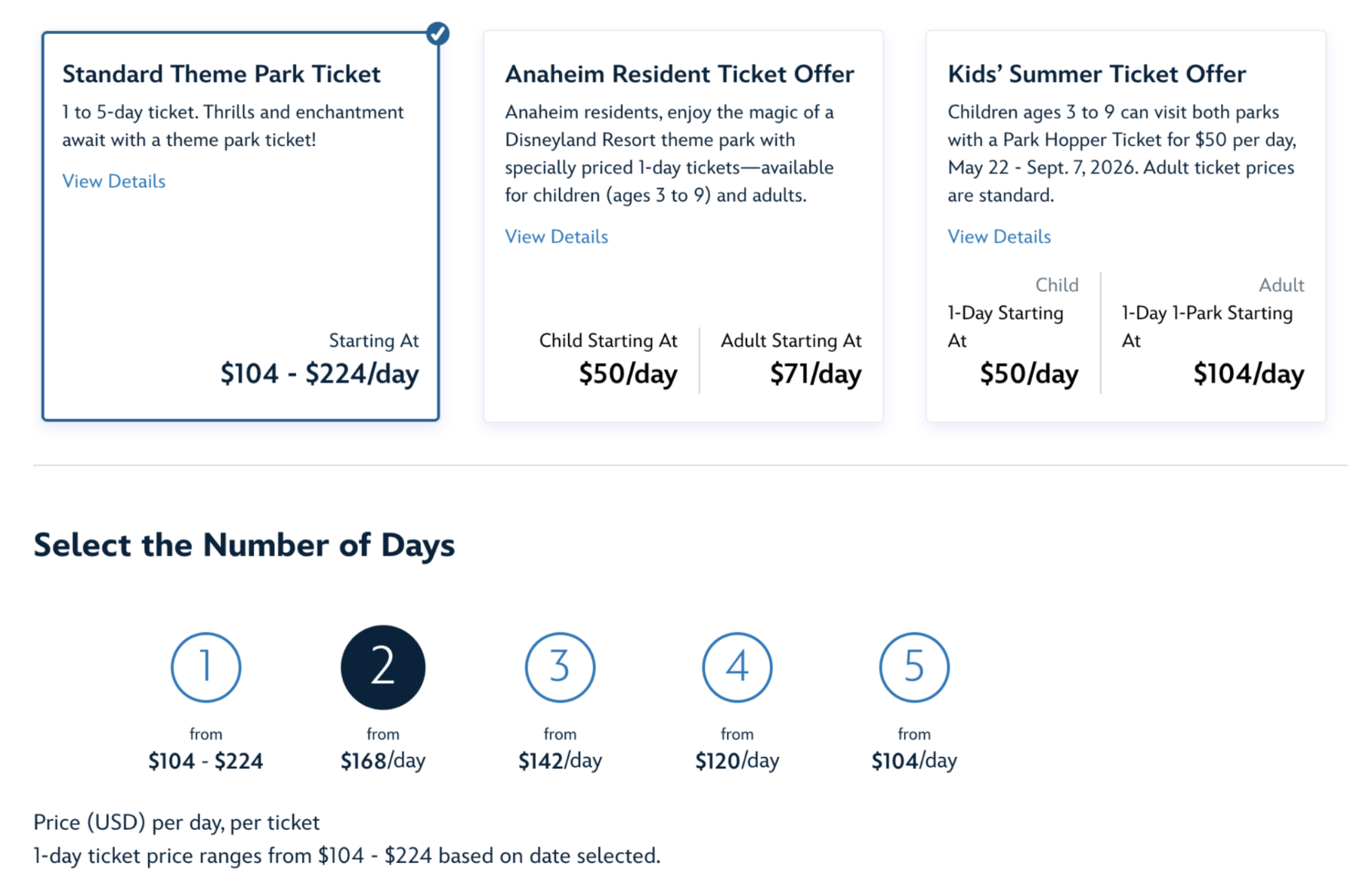
It is tempting to present visitors with every ticket tier, room upgrade, VIP pass, and package add-on upfront. However, presenting too many options creates decision paralysis. When faced with too many decisions, cognitive effort spikes, leading visitors to delay purchase or leave entirely.
2. Missing Progress and Trust Signals
When booking an experience or family trip, visitors need clear reassurance. A multi-step checkout without a clear progress bar leaves guests wondering how much effort remains. Paired with a lack of social proof or visible security cues, doubt quickly creeps in. A great example of this in action is Disney's booking journey, which uses clear multi-step progress indicators, live availability visualisers, and transparent pricing at every phase to eliminate checkout anxiety and keep visitors focused on their trip.
3. Clunky Data Entry and Rigid Forms
Forcing visitors to create an account before viewing final ticket prices or making them fill out repetitive fields creates immediate frustration. Modern audiences expect smooth, effortless interactions that adapt to their needs.
How Behavioural Nudges Keep Visitors Engaged
To overcome these friction points, digital journeys should be designed around human psychology. Using subtle, ethical digital nudges helps keep visitors moving forward smoothly:
Default Selections: Pre-selecting popular options, like a "Most Popular Family Ticket" or a best-value room tier, simplifies complex choices. It leverages the "status quo bias," helping visitors make faster decisions without feeling restricted
Progress Indicators: Simple, visual step counters show visitors exactly where they are and how little effort remains. Tapping into the human desire to complete started tasks, these visual cues dramatically reduce mid-funnel abandonment.
Social Proof & Urgency: Displaying real-time notifications (e.g., "12 family passes booked in the last hour") or clear capacity indicators (e.g., "Only 3 time slots remaining for Saturday") reassures visitors that they are making a popular choice while encouraging them to secure their spot before it sells out
Salient Anchor Pricing: Highlighting the total value or original price alongside a discounted bundle gives visitors an instant reference point. This subtle cue reinforces the perception of value and makes booking feel like a smart, satisfying choice.
Curious about how subtle UX adjustments can completely transform your engagement metrics? Check out our deep dive into what nudge theory is and how it improves digital experiences.
Key Takeaways
Small Friction Drops Big Revenue: Subtle digital hurdles, like choice overload or hidden fees, cause immediate checkout drop-offs
Emotion Over Logic: Visitors make decisions based on trust and ease, requiring a clear, human-first booking flow.
Strategic Nudges Work: Ethical behavioural nudges restore momentum and rebuild visitor confidence.
Data-Led Diagnosis: Auditing real user behaviour reveals exactly where and why visitors abandon their bookings.
Find Where You Are Losing Bookings
Is your booking journey secretly turning away visitors? Stop guessing and start measuring with real behavioural insights.
Use our free Digital Guest Benchmark to run a quick digital "X-ray" on your visitor experience. Uncover hidden friction points, see where visitors are dropping off, and discover immediate steps to turn lost intent into completed bookings.