
Behaviour Change Techniques Explained by Our Behavioural Scientists
LAB | 8 September 2025 | 5 mins
Behaviour change is a hugely relevant aspect of digital product and interface design, and something specialists spend years studying to gain a thorough, informed understanding of how to create intuitive, natural and engaging designs users love.
Based on psychology precepts, detailed research, and behavioural science, LAB leverages a wide range of behaviour change techniques, or BCTs, whether we're helping a client design an award-winning digital product, developing an impactful marketing campaign, or troubleshooting to find out how best to positively influence user reactions to a service.
In response to countless questions, we’ve put together a concise summary of the key BCTs we deploy on a daily basis, with a short explanation of what they are, why they work, and why they might be the missing element in your digital experience design approach!
What Are Behaviour Change Techniques (BCTs)?
Behaviour change techniques are best defined as the active ingredients we use to influence behaviour – but these aren’t theories, ideas or assumptions!
Instead, BCTs are based on decades, and sometimes longer, of research into psychological and behavioural science, getting underneath the right ways to activate responses, create designs and functions users genuinely want, and defining how to encourage them to make a decision that is beneficial.
For those keen to learn more about the origins of BCTs, we'd refer you to The Behaviour Change Technique Taxonomy, or BCTT. This framework was developed by a team led by Susan Michie in 2013 and created a common language that scientists use when identifying and explaining BCTs.
The BCTT categorises all possible BCTs into 16 groups, which makes it easier to understand, apply, and use.
Digital Experience and Behaviour Change: Why Does it Matter?
A staggering proportion of the decisions we make every day are ingrained habits and subconscious.
This means that if a digital product that offers, say, fitness coaching, language tuition or meditation hopes to engage with new audiences, it needs to find real ways to give its intended audiences a reason to change or choose something new.
Of course, BCTS apply to more than lifestyle products, but they are essential within digital experiences because they provide designers with the tools to create products influenced by cognitive science principles.
In real-world terms, that means brands understand how and why people make decisions and can design products for their users with UX that satisfies their underlying pain points, priorities, emotions, motivations, and goals.
The Role of Behavioural Science in Digital Product Development
LAB’s behavioural scientists shape better user experiences using a huge variety of BCTs. We've shared separate and more detailed guides to some of the most popular models, but as a snapshot, these might include:
COM-B modelling, which examines the capability, opportunity, and motivation a user needs to have in order to change their behaviour.
The Fogg behaviour model is based on having three elements that happen at the same time for a behaviour to happen, including motivation, abilit,y and a prompt.
EAST is a framework that helps make desired behaviours easy, attractive, social, and timely—a simple way to incentivise consumers to take the intended action.
This all starts with in-depth and innovative research. For example, we might look at commonalities within consumer segments, predictive analytics to map out future actions or responses to different design iterations, or use BCTs for workplace and organisational digital products specifically created to drive performance, satisfaction, and improved outcomes.
Common and Effective BCTs in Practice
For BCTs to be truly effective, they need to be able to alter habits or behaviour over the long term rather than being tactics used just once as a commercial exercise to encourage a user to buy one product over another.
However, there isn’t one universally applicable set of BCTs we'd use on every project because so much depends on what the behaviour change we want to achieve looks like, how often or how quickly they might happen, and how ingrained the habits are we want to impact.
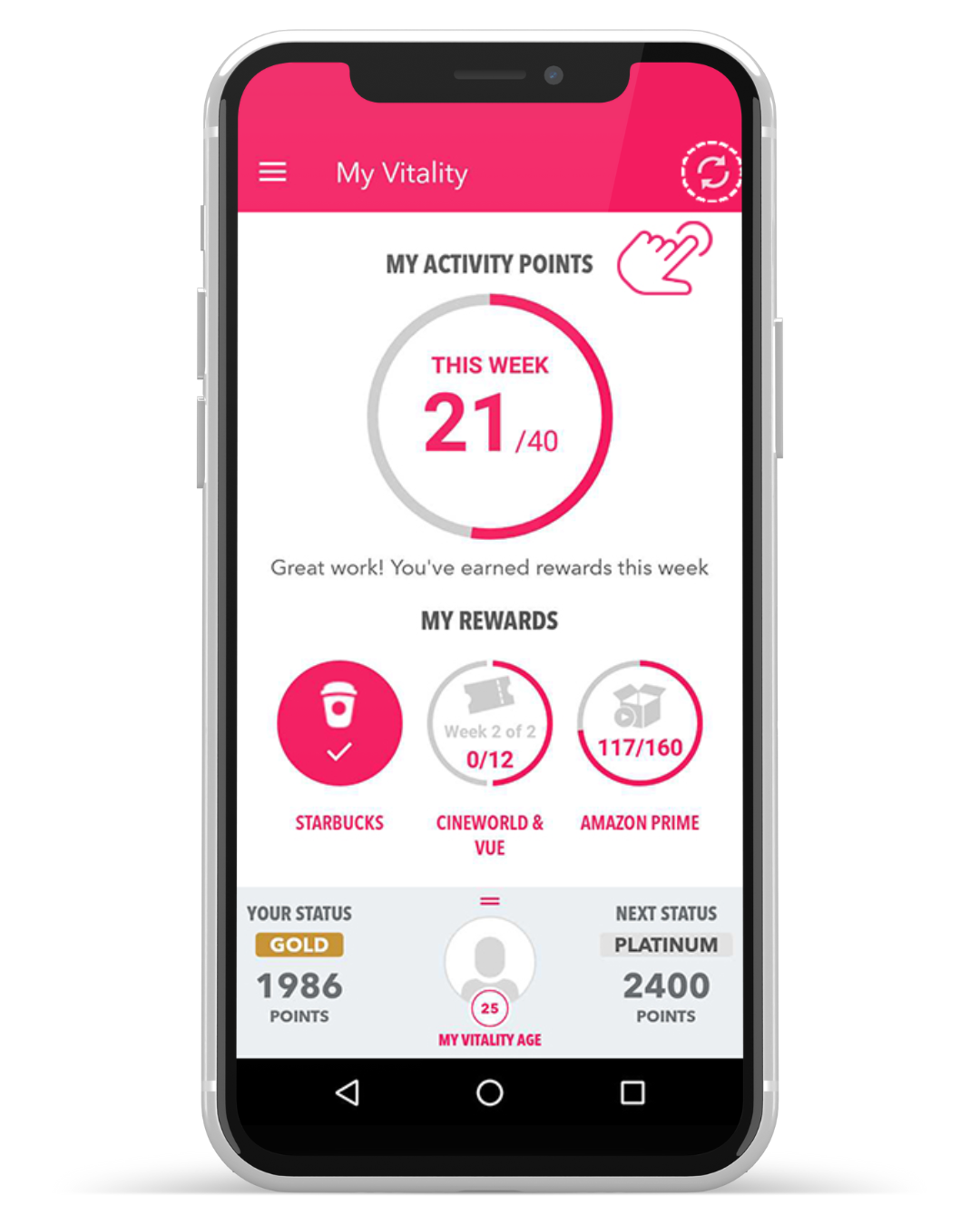
Goal Setting: A powerful BCT that provides purpose, direction, and motivation. Digital products might encourage users to set realistic targets, such as savings aspirations, with SMART goals (specific, measurable, achievable, relevant and time-bound), which means users can concentrate their efforts and track how they’re progressing. The Vitality Member App excels at motivating users by gamifying healthy habits, allowing them to earn activity points for weekly rewards. Its clear visual elements make tracking progress straightforward, encouraging users to set and achieve goals while progressing in membership status.
Feedback and Monitoring: Change doesn’t happen in a vacuum, and products that deliver feedback, progress or tracking, like Fitbit for fitness or Duolingo for language tuition, help deliver sustained change. Users respond to either self-monitoring reports or feedback that helps them monitor their results and remain on task.
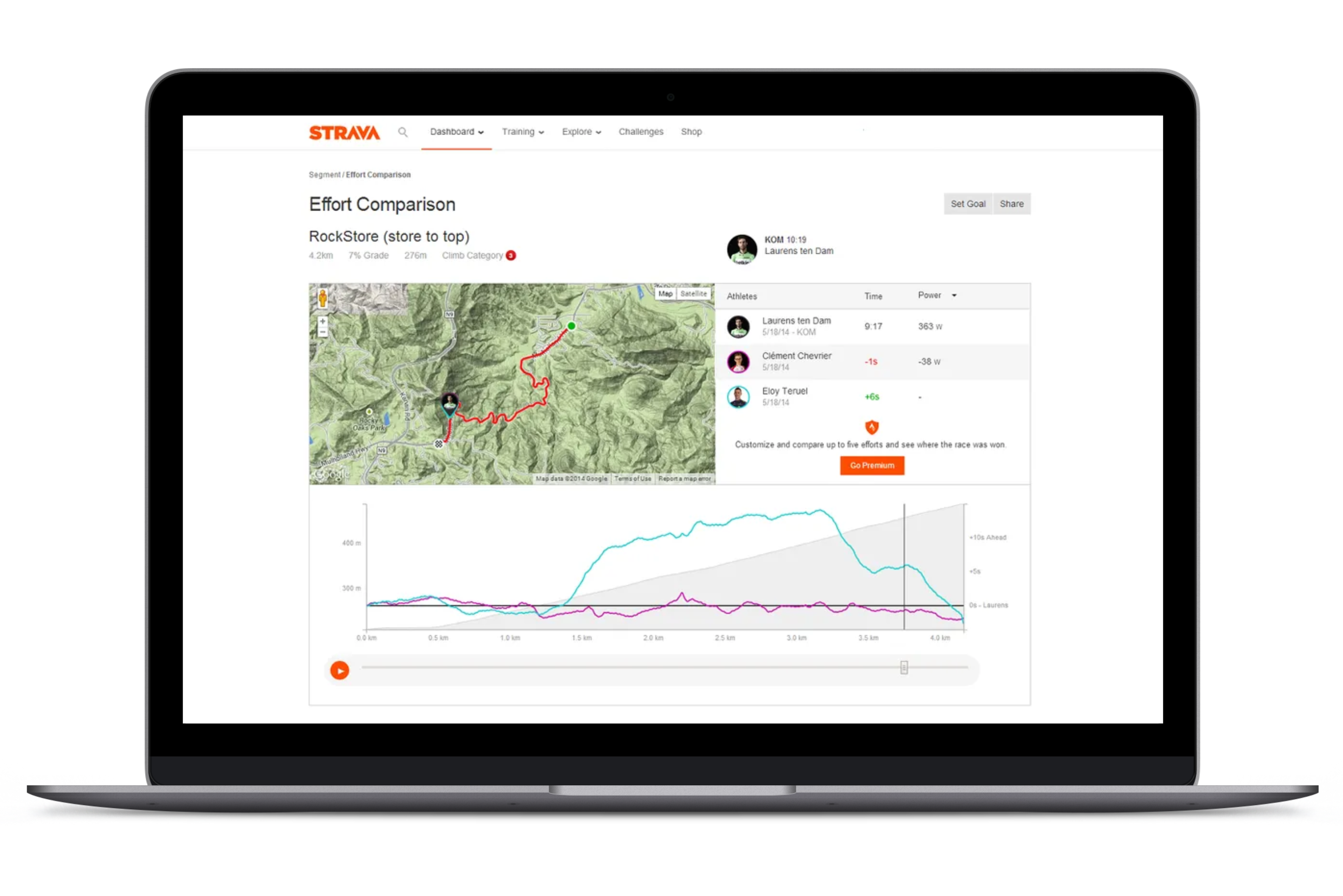
Social Comparison: Showing users how they compare to competitors, peers or teammates, as seen through products like LinkedIn and Strava, is a well-established BCT. Brands can also use social support to connect communities and individuals and foster better motivation and collective adherence to behavioural change. With Starva, users can compare against other athletes or friends who have taken the same routes or challenges as them. By allowing users to compare their performance against other athletes or friends who have taken the same routes or challenges, Strava taps into the innate human drive for competition and social benchmarking.
BCTs can be used in various alternative ways and for different purposes. Knowledge shaping is a key aspect in educational products, for instance, and can provide users with information, advice, and guidance to recognise the benefits of their behaviour change or reiterate the potential risks of undesired actions.
How We Apply BCTs in Our Work
While the principles, philosophies, and methodologies of BCTs can seem complex, the right approaches always start with analysing what types of intervention are needed and why.
That's because without diagnosing current behaviour trends and what you need to change, we can't accurately advise on the right BCTs that will deliver the results you want.
Interventions might, for example, be based on enabling access, encouraging interaction, or educating potential users about the benefits of a digital product, which is why certain BCTs are more relevant to some projects than others.
As a behind-the-scenes glimpse from our behavioural scientists, we usually begin by doing research on the audience before deciding on the BCTs.
“Changing behaviour is always context-dependent. To identify the right techniques to use, we first need to understand whose behaviour we need to change and what kind of reality they’re living in, including their motivations and the people or environment that would influence them.” - Ariane Marasigan, Senior Behavioural Science Researcher
Adapting BCTs for Digital Products or Developments
From there, BCTs should always be formulated to achieve the right outcomes within the relevant digital environment, which might differ between a game, an app, a website, or another interface, and modified to fit the features of the platform in question.
UX is an intrinsic aspect of behaviour change, so we also need to consider how BCTs will impact user experiences and how simultaneous adjustments to digital platforms will make navigation, interaction, and engagement more user-friendly, intuitive, and ultimately satisfactory to your target user.
Digital systems are a great backdrop for BCTs because access to ongoing data feedback and the ability to track user behaviours accurately, rather than relying on self-reporting, often make it easier to see with precision how BCTs are working and make small adjustments as necessary along the way.
Essentially, BCTs aren't separate from any other aspect of digital product design and need to be contextual, deployed ethically, and used in a user-centric way to ensure they benefit your consumers, users or demographics.
Why It’s About More Than Just Nudging
Nudge theory is a form of BCT, but in reality, it's more common for BCTs used in practice to be referred to as nudges, such as a prompt, notification, alert, or scoreboard publication that nudges your user into interacting.
As we’ve intimated above, BCTs aren't about immediate returns but about emphasising long-term behaviour change and creating meaningful, impactful, and beneficial design interfaces and products that build ongoing habits rather than targeting one-off, standalone responses.
While nudges certainly have a place in behaviour change and are an enormously effective technique, it's equally important that BCTs are used to develop experiences that align with your users' goals and values and help them achieve targets, plan their actions, or develop healthy habits.
“Nudges aren’t a one-size-fits-all. Whilst some nudges are based on years of behavioural science research, whether they work depends on who the audience is and what they pay attention to in the moment they’re making the decision. It’s important to test and measure how we use nudges, then adapt accordingly.“ - Ariane Marasigan, Senior Behavioural Science Researcher
Introducing the Power of Behaviour Change Techniques Into Your Business
As we've seen, BCTs are incredibly powerful. Provided they are used responsibly, deliberately, and with the right level of oversight, they can have transformative impacts on take-up, engagement with, and responsiveness to digital products.
We like to refer to behavioural science as an area of psychological input that gives brands a multifaceted toolkit with all the facilities and know-how needed to design smarter, more meaningful digital experiences.
If you'd like to learn more, discuss the role BCTs could play within your brand, or collaborate with LAB's behavioural experts, please get in touch.
With a range of options, including behavioural audits, workshops, and consultations, we help countless brands apply BCTs to their digital products or campaigns and see these outcomes for themselves in real-time.